Diamond History Explained: Learn Basics, Timeline, Insights, and Expert Advice from Around the World
Diamonds have always held a special place in human history. From ancient myths to modern luxury jewellery, their journey is fascinating and full of surprising twists. This guide walks you through the history of diamonds around the world, their origins, major discoveries, and how they became symbols of wealth, love, and status.
Understanding the Origin of Diamonds
How Diamonds Form Naturally
Diamonds are created deep within the Earth, around 150–200 kilometers below the surface. They form under intense heat and pressure over billions of years. These natural conditions transform carbon into one of the hardest materials known.
Volcanic eruptions bring diamonds closer to the surface through kimberlite pipes. These geological events are a key part of the diamond discovery history.
Early Beliefs About Diamonds
In ancient times, people believed diamonds were divine. In India, diamonds were thought to protect against evil. In ancient Rome, warriors wore them for strength and courage.
These early beliefs contributed to the long-standing fascination with diamonds across cultures.
Diamond History Timeline: Key Milestones
Ancient India: The First Known Diamonds
India is the starting point of the global diamond industry history. Diamonds were first discovered here around the 4th century BCE. They were found in riverbeds and used in religious idols and royal jewellery.
India remained the world’s primary diamond source for nearly 2,000 years.
The Middle Ages: Diamonds Spread Globally
During the Middle Ages, diamonds reached Europe through trade routes. They became popular among royalty and aristocrats. Cutting techniques also began to improve during this time.
18th Century: Brazil Changes the Game
In the 1700s, diamonds were discovered in Brazil. This marked a major shift in the history of diamond mining. Brazil became the leading supplier, replacing India.
19th Century: South Africa Revolution
The discovery of diamonds in South Africa in the 1860s transformed the industry. Large-scale mining began, and diamonds became more accessible.
This period also marked the beginning of structured diamond trade and market history.
20th Century: Modern Diamond Industry Growth
The 1900s saw major advancements in mining, cutting, and global distribution. Marketing campaigns helped position diamonds as essential for engagement rings.
The phrase “a diamond is forever” shaped modern consumer perception.
History of Diamond Mining Around the World
Traditional Mining Methods
Early diamond mining involved simple tools and manual labor. Workers searched riverbeds and shallow pits.
Industrial Mining Era
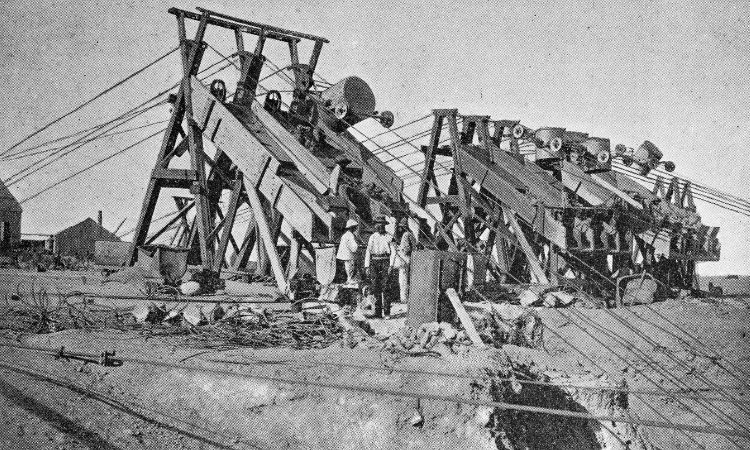
With discoveries in Africa, mining became industrialized. Large-scale operations used advanced machinery. This significantly increased production.
Modern Mining Techniques
Today, mining includes open-pit, underground, and even marine methods. Technology plays a huge role in identifying diamond-rich areas.
This evolution highlights the growth of expert diamond history research services and geological analysis.
Famous Historical Diamonds List
The Koh-i-Noor
One of the most famous diamonds in history, originally found in India. It has passed through multiple rulers and is now part of the British Crown Jewels.
The Hope Diamond
Known for its deep blue color and mysterious past, this diamond is associated with legends and myths.
The Cullinan Diamond
The largest rough diamond ever found. It was cut into several stones, many of which are part of royal collections.
These stones represent high value diamonds in history and their cultural significance.
Diamond Trade and Market History
Early Trade Systems
Diamonds were initially traded along ancient routes connecting India, the Middle East, and Europe.
Rise of Global Markets
With discoveries in Africa, the diamond market expanded rapidly. Organized distribution networks were established.
Modern Diamond Economy
Today, diamonds are traded globally through major hubs like Antwerp, Mumbai, and Dubai. Certification systems ensure authenticity and quality.
This structured approach forms the backbone of the certified historical diamonds guide.
Diamond Cuts Through History
Old Mine Cut Diamonds History
Old mine cut diamonds were popular in the 18th and 19th centuries. They were hand-cut and designed to shine under candlelight.
Old European Cut Diamond History
These diamonds came after the old mine cut. They featured rounder shapes and improved brilliance.
History of Asscher Cut Diamond
Developed in the early 1900s, the Asscher cut is known for its step-cut design and vintage appeal.
Marquise Diamond History
The marquise cut is said to have been commissioned by a French king to resemble a smile. It has an elongated shape with pointed ends.
These cuts reflect the evolution of craftsmanship and changing aesthetic preferences.
History of Diamond Engagement Rings
Early Traditions
The first recorded diamond engagement ring dates back to 1477. It was given by Archduke Maximilian of Austria.
Rise in Popularity
Engagement rings became more common among the elite. Over time, they spread to wider society.
Modern Symbol of Love
In the 20th century, diamonds became the standard for engagement rings. Marketing played a key role in this shift.
Today, they represent commitment, tradition, and emotional value.
Unique Diamond Stories and Trends
History of Chocolate Diamonds
Chocolate diamonds gained popularity in recent decades. Their rich brown tones offer a unique alternative to traditional white diamonds.
Tiffany Diamond History
This iconic yellow diamond is known for its size and color. It has been worn by only a few individuals, making it highly exclusive.
Luxury Diamond Collection History
Private collectors and royal families have long curated diamond collections. These collections often include rare and historically significant stones.
They reflect personal taste, wealth, and legacy.
Diamond Discovery History Across Continents
Africa
South Africa, Botswana, and Angola are major contributors. Africa remains central to global diamond production.
Russia
Russia is one of the largest diamond producers today. Its mines are known for high-quality stones.
Canada
Canada entered the diamond industry in the late 20th century. It is known for ethically sourced diamonds.
These regions highlight the global spread of diamond discovery.
Certified Historical Diamonds Guide
Certification plays an important role in understanding a diamond’s history. It includes details about origin, cut, clarity, and authenticity.
Experts use advanced tools to analyze diamonds. This helps in verifying their journey from mine to market.
Such insights are valuable for collectors, historians, and enthusiasts.
Expert Advice: Understanding Diamond History Today
Why Diamond History Matters
Knowing the history of diamonds adds depth to their beauty. It helps you appreciate their journey and cultural importance.
How to Identify Historical Value
Look at factors like origin, cut style, and previous ownership. Older diamonds often have unique characteristics.
Practical Example
A vintage ring with an old European cut diamond may carry more historical significance than a modern stone. Its craftsmanship tells a story.
Modern Perspective
Today’s buyers are more informed. They value transparency, ethical sourcing, and historical context.
This shift is shaping the future of the diamond industry.
Final Thoughts
The journey of diamonds is as brilliant as the stones themselves. From ancient riverbeds in India to modern global markets, diamonds have evolved in meaning and value.
Understanding the origin of diamonds history, the diamond history timeline, and the global diamond industry history helps you see beyond the sparkle. It connects you to centuries of tradition, innovation, and human fascination.
Whether you are exploring famous historical diamonds or learning about different cuts, diamond history offers endless insights. It is not just about luxury. It is about legacy, culture, and timeless beauty.