What Does Gold Karat Really Mean?
Gold karat (K) tells you how much pure gold is inside a piece of jewelry. Pure gold is 24K. But pure gold is soft, so it’s usually mixed with other metals like copper, silver, or zinc.
Simple Breakdown:
-
24K = 100% gold
-
22K = 91.6% gold
-
18K = 75% gold
-
14K = 58.3% gold
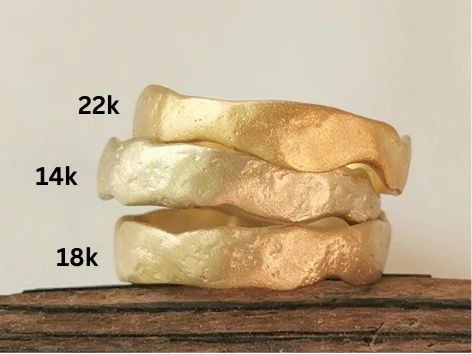
This is where gold karat value comparison becomes important. The lower the karat, the stronger the jewelry. The higher the karat, the richer the gold content.
14K Gold: Strong and Practical
Why People Choose 14K Gold
14K gold is one of the most popular choices, especially for daily wear. It contains more alloy metals, which makes it stronger and less likely to scratch.
Key Features:
-
Durable and long-lasting
-
Slightly lighter yellow tone
-
Ideal for rings, chains, and bracelets
For example, if you compare the difference between 10k and 14k gold chain, 14K has more gold content and a better color while still being tough enough for everyday use.
Best Use Cases:
-
Daily wear jewelry
-
Active lifestyle pieces
-
Lightweight accessories
If you want a balance between durability and gold content, 14K is a smart starting point in any premium gold jewelry purity guide.
18K Gold: Luxury Meets Strength
Why 18K Gold Stands Out
18K gold is often seen as the sweet spot between purity and durability. It has a richer color than 14K but still holds up well with regular use.
Key Features:
-
Deep, rich yellow tone
-
Strong but slightly softer than 14K
-
Popular in luxury designs
Many iconic designs use 18K gold, such as the Cartier Trinity Hoop Earrings and the Roberto Coin Verona Bracelet. These pieces highlight how 18K gold enhances elegance while maintaining structure.
Variations in 18K Gold
-
18k white gold: Mixed with white metals for a modern look
-
Yellow gold: Classic warm tone
-
Rose gold: Soft pink hue
Real-Life Example
If you’ve seen 18 carat gold hoops or a snake ring gold 18k, you’ll notice the color looks richer compared to 14K. That’s because of the higher gold percentage.
Best Use Cases:
-
Fine jewelry
-
Occasion wear
-
Statement pieces
This is where expert gold karat consultation often recommends 18K for those who want both beauty and performance22K Gold: Pure and Traditional
Why 22K Gold Feels Special
22K gold is very close to pure gold. It has a deep yellow glow that stands out instantly.
Key Features:
-
High gold content (91.6%)
-
Very soft and flexible
-
Bright, traditional appearance
Common Jewelry Types:
-
Hoop earrings gold 22k
-
Earrings 22 carat gold
-
Rope chain gold 22k
-
Long necklace 22k gold
These designs are often associated with cultural and traditional jewelry.
Real-Life Insight
If you compare 18K vs 22K gold which is better, the answer depends on usage. 22K looks richer but scratches more easily. That’s why it’s usually worn occasionally rather than daily.
Best Use Cases:
-
Wedding jewelry
-
Traditional pieces
-
Special occasions
For those focused on luxury gold jewelry purity selection, 22K offers unmatched richness in appearance.
18K vs 22K Gold: Which Is Better?
This is one of the most searched questions: 18k vs 22k gold which is better.
Quick Comparison:
| Feature | 18K Gold | 22K Gold |
|---|
| Gold Content | 75% | 91.6% |
| Durability | Strong | Soft |
| Color | Rich yellow | Deep yellow |
| Usage | Daily + occasion | Mostly occasional |
Simple Answer:
-
Choose 18K if you want durability with luxury
-
Choose 22K if you prefer purity and traditional style
Difference Between 14K and 18K Gold
Another common comparison is the difference between 14k and 18k yell (yellow gold).
Key Differences:
-
14K is stronger and more scratch-resistant
-
18K has a richer and more premium color
-
18K contains more gold, making it more valuable in terms of composition
Practical Example:
If you wear jewelry daily, 14K may last longer without visible wear. But if appearance matters more, 18K stands out visually.
Understanding Color Variations in Gold
Gold isn’t just yellow. The karat level and metal mix create different shades.
Types of Gold Colors:
-
Yellow gold: Classic and timeless
-
White gold: Modern and sleek (like 18k white gold)
-
Rose gold: Warm and romantic
For example, designs like Cartier Trinity Ceramic combine multiple gold tones, creating a unique layered look.
How to Choose the Right Gold Purity
Choosing the right karat depends on your lifestyle, taste, and purpose.
Ask Yourself These Questions:
1. Will You Wear It Daily?
Go for 14K or 18K for better durability.
2. Do You Prefer Rich Color?
18K or 22K gives a deeper gold tone.
3. Is It for Special Occasions?
22K is perfect for traditional or occasional wear.
4. Do You Want Modern or Classic Style?
-
Modern: 18K white or rose gold
-
Classic: 22K yellow gold
Expert Tips for Smart Gold Selection
1. Balance Beauty and Strength
Don’t focus only on purity. A slightly lower karat can last longer.
2. Check Hallmarks
Always look for karat stamps like 14K, 18K, or 22K to confirm purity.
3. Match Jewelry with Lifestyle
Active lifestyle? Choose stronger alloys like 14K.
4. Think Long-Term
Jewelry is not just about looks. It should stay beautiful over time.
5. Explore Signature Designs
Luxury brands often use 18K gold for a reason—it balances elegance and durability.
Common Myths About Gold Purity
Myth 1: Higher Karat Means Better Jewelry
Not always. Higher karat means more gold, but not necessarily better for daily use.
Myth 2: 14K Looks Dull
Modern 14K designs still look elegant and stylish.
Myth 3: 22K Is Always Best
It depends on how and when you wear the jewelry.
Final Thoughts
Understanding the difference between 14K, 18K, and 22K gold helps you make smarter choices. Each type has its own strengths.
-
14K is practical and durable
-
18K offers luxury with balance
-
22K delivers purity and tradition
When it comes to luxury gold jewelry purity selection, there is no one-size-fits-all answer. The right choice depends on your style, usage, and preference.
Take your time, compare options, and focus on what truly fits your needs. That’s the real secret behind a perfect gold jewelry decision.