How to Read a Diamond Certificate: Complete Guide, Tips, and Key Insights for Beginners
You’re looking at a diamond. It sparkles. It looks perfect. But how do you really know what you’re holding? That’s where a diamond certificate comes in.
A diamond certificate is like a report card for the stone. It tells you exactly what you’re looking at. No guessing. No fancy sales talk. Just facts.
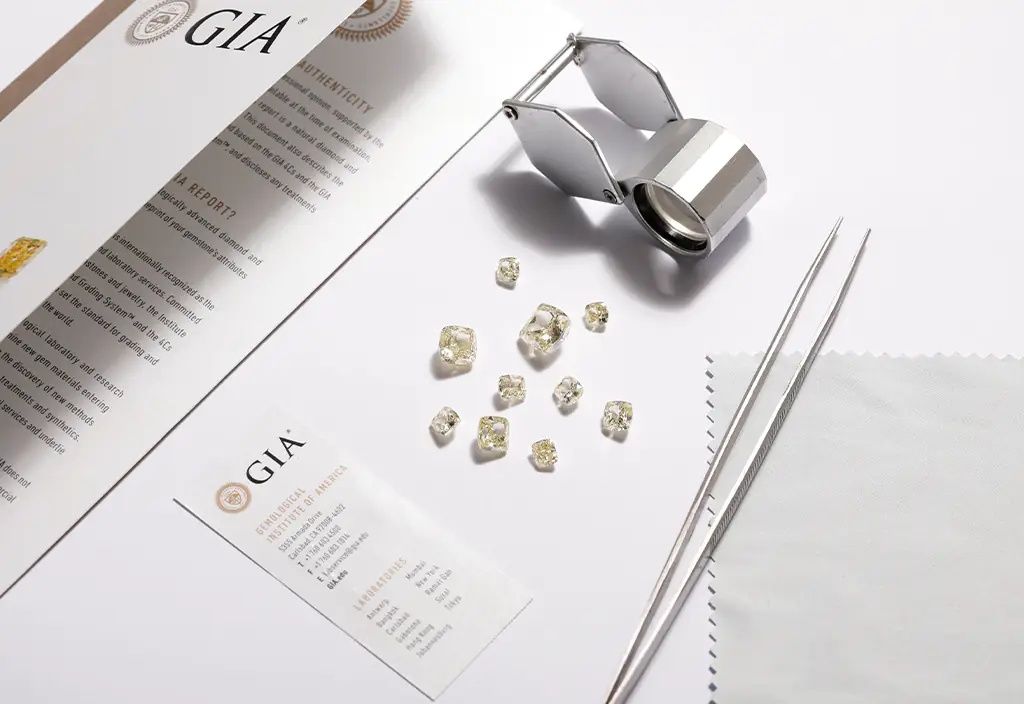
If you’ve never read one before, don’t worry. This guide walks you through every section. You’ll learn what matters, what to ignore, and how to spot important details.
Let’s start from the beginning.
What Is a Diamond Certificate?
A diamond certificate, also known as a grading report, is a document created by a gemological laboratory. It describes the quality and characteristics of a diamond in detail.
Think of it as a report card for the stone. It does not give emotional value—it provides facts.
Diamond Certificate Meaning in Simple Words
In simple terms, a diamond certificate confirms:
- The diamond is tested by professionals
- Its quality is graded using standard criteria
- Its features are documented for transparency
This is why understanding the diamond report vs certificate difference is important. Technically, laboratories issue "reports," not certificates. But in everyday language, both terms are often used interchangeably.
Major Diamond Certification Labs Comparison
Not all grading labs are equal. Some are stricter and more trusted than others.
Top Labs You Should Know
- Gemological Institute of America
- International Gemological Institute
- Hoge Raad voor Diamant
- Gemological Research Association
Key Insight
- GIA is known for strict grading standards
- IGI is widely used for lab-grown diamonds
- HRD is popular in Europe
- GRA is often seen with moissanite stones
If you're reviewing gra certified moissanite rings, you’ll notice differences in grading style compared to GIA reports.
How to Read Diamond Certificate Step-by-Step
Let’s break down a diamond grading report guide so you can read it with confidence.
1. Report Number (Diamond Certificate Number Check)
Each certificate has a unique number.
- This number is like an ID
- It may be laser-inscribed on the diamond
- You can verify authenticity using it
This is known as the diamond certificate number check. Always match the number on the stone and report.
2. Shape and Cutting Style
This tells you the diamond’s shape.
Examples include:
- Round Brilliant
- Princess
- Oval
- Cushion
The cutting style affects how light reflects inside the stone.
3. Measurements
These are the dimensions of the diamond.
Example:
6.5 × 6.5 × 4.0 mm
Why it matters:
- Helps understand proportions
- Impacts sparkle and appearance
4. Carat Weight
Carat is the weight of the diamond.
- 1 carat = 0.2 grams
- Higher carat usually means larger size
But bigger is not always better. Cut quality can make a smaller diamond look brighter.
5. Color Grade (Diamond Grading Chart Explained)
Color is graded from D to Z.
- D = Colorless
- Z = Noticeable yellow/brown
Simple Tip
- D–F: Very bright and icy
- G–J: Slight warmth but still attractive
- K and below: More visible color
This is part of the diamond grading chart explained, one of the most important sections.
6. Clarity Grade (Diamond Clarity Grading Certificate)
Clarity measures internal flaws (inclusions) and external marks (blemishes).
Grades include:
- FL (Flawless)
- IF (Internally Flawless)
- VVS1–VVS2 (Very very slight inclusions)
- VS1–VS2 (Very slight inclusions)
- SI1–SI2 (Slight inclusions)
- I1–I3 (Visible inclusions)
Real-Life Insight
A VS2 diamond often looks clean to the naked eye and is a popular balance between quality and value.
7. Cut Grade
Cut determines how well the diamond reflects light.
Grades include:
- Excellent
- Very Good
- Good
- Fair
- Poor
A diamond with an excellent cut will sparkle more, even if its color or clarity is lower.
8. Polish and Symmetry
These affect the finishing quality.
- Polish: Smoothness of the surface
- Symmetry: Precision of the shape
Better grades mean better light performance.
9. Fluorescence
Fluorescence shows how a diamond reacts under UV light.
- None: No glow
- Faint to Strong: Increasing glow
Practical Tip
Strong fluorescence can sometimes affect appearance in sunlight, but not always negatively.
10. Proportions and Diagram
This section shows:
- Table percentage
- Depth percentage
- Crown angle
- Pavilion angle
You’ll also see a diagram marking inclusions.
This is part of the diamond certificate details explained that many beginners skip—but it’s very useful.
How to Read a GIA Report (Beginner-Friendly)
When learning how to read a GIA report, focus on these key areas first:
- The 4Cs (Cut, Color, Clarity, Carat)
- Report number
- Proportions diagram
- Comments section
Reading a GIA Certificate Made Simple
- Start from the top: report number and shape
- Move to the center: 4Cs
- Then check the bottom: proportions and comments
This approach makes reading a GIA report much easier.
Lab-Grown Diamond GIA Certificate Explained
Lab-grown diamonds also come with reports.
When reviewing a lab grown diamond gia certificate, you may notice:
- It clearly states “Laboratory-Grown”
- Grading standards are similar to natural diamonds
- Price perception differs, but grading logic remains the same
This ensures transparency and clarity.
Certified Loose Diamonds: What to Look For
If you're evaluating certified loose diamonds, focus on:
- Trusted lab grading
- Balanced 4Cs
- Clear report details
Smart Tip
Do not focus only on one factor like carat. A well-balanced diamond often looks better overall.
Diamond Report vs Certificate Difference
Many people ask about this.
Simple Explanation
- A report is an expert opinion
- A certificate sounds like a guarantee
Most labs issue grading reports, not guarantees.
Still, in common language, both are used the same way.
Practical Example: Reading a Certificate
Let’s say a diamond report shows:
- Carat: 1.00
- Color: G
- Clarity: VS2
- Cut: Excellent
What It Means
- Good size
- Near colorless appearance
- Eye-clean clarity
- Strong sparkle
This combination is often considered a balanced and visually appealing choice.
Common Mistakes Beginners Make
1. Ignoring Cut Quality
Cut impacts sparkle the most. Never overlook it.
2. Overvaluing Carat Size
Bigger doesn’t always look better if the cut is poor.
3. Not Checking the Certificate Number
Always verify the report number to ensure authenticity.
4. Comparing Different Labs Directly
Different labs may grade differently. Always compare within the same standard.
Key Insights for Better Understanding
- Focus on overall balance, not just one grade
- Trust well-known labs for consistency
- Learn the basics of the grading chart
- Use the report as a guide, not the only factor
Final Thoughts
Learning how to read diamond certificate details may seem complex at first, but it becomes simple with practice. Once you understand the structure, you can confidently evaluate any diamond report.
Whether you’re reviewing gia certified loose diamonds, comparing grading labs, or exploring clarity and cut, this knowledge helps you make smarter decisions.
A diamond certificate is not just a document—it’s a clear window into the true quality of a diamond.