Perfect Diamond Selection Guide: Discover Quality, Facts, Suggestions, and Smart Buying Tips
Choosing a diamond can feel overwhelming at first. There are so many shapes, grades, and terms that it’s easy to get confused. Whether you’re looking for the best diamond for an engagement ring or exploring a diamond investment buying guide, understanding the basics makes everything simpler.
This guide breaks down everything in a clear and practical way. You’ll learn how to choose the perfect diamond, understand quality factors, and make a confident decision without stress
Understanding Diamond Basics Before You Start
Before jumping into selection, it’s important to know what actually defines a diamond’s quality. Most beginners rush into appearance alone, but real value lies deeper.
The 4Cs Explained Simply
The 4Cs are the foundation of every diamond buying guide for beginners.
Cut
Cut determines how well a diamond reflects light. A well-cut diamond sparkles more, even if it’s smaller.
Example: A smaller diamond with an excellent cut often looks brighter than a larger one with poor cut quality.
Color
Diamonds range from colorless to slightly yellow. The less color, the higher the quality.
Tip: Near-colorless diamonds often look identical to colorless ones but feel more practical in comparison.
Clarity
Clarity refers to tiny imperfections inside or on the surface.
Reality: Most imperfections are invisible to the naked eye, so perfect clarity is not always necessary.
Carat
Carat measures weight, not size directly.
Insight: Two diamonds with the same carat can look different depending on cut and shape.
Understanding these basics helps you move forward with clarity when thinking about how to select diamond quality.
How to Choose the Perfect Diamond Step by Step
Let’s simplify the decision process into clear steps anyone can follow.
Step 1: Define Your Purpose
Ask yourself why you need the diamond.
- Engagement ring
- Jewelry piece
- Investment
- Personal collection
For example, the best diamond for engagement ring prioritizes sparkle and appearance, while a diamond investment buying guide focuses more on long-term value.
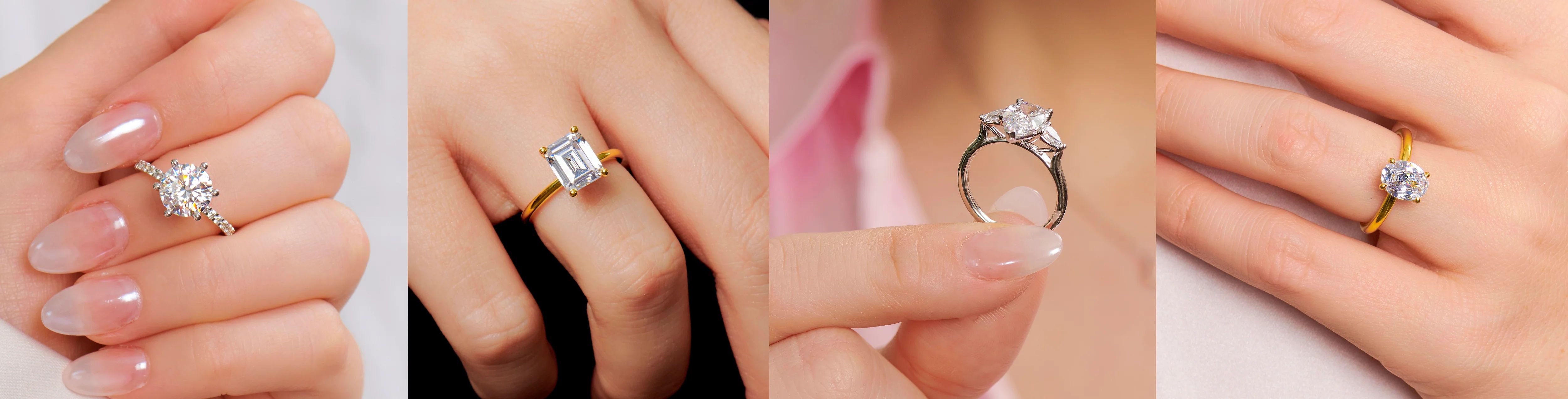
Step 2: Choose the Right Shape
Shape is about personal style.
Popular choices include:
- Round (classic and most brilliant)
- Princess (modern and sharp edges)
- Oval (elongated look, appears larger)
- Cushion (soft and vintage feel)
Example: If you want maximum sparkle, round is often preferred.
Step 3: Balance the 4Cs
Instead of chasing perfection in all areas, balance them wisely.
- Focus on cut first
- Adjust color and clarity slightly
- Choose carat based on preference
This approach is key when learning how to select diamond quality smartly.
Step 4: Check Certification
Always look for reliable certification. This ensures authenticity and grading accuracy.
GIA certified diamond buying tips:
- Verify the grading report
- Match the report with the diamond
- Check cut, clarity, and color grades carefully
Certification gives confidence and transparency.
Smart Tips for Beginners
When starting out, small insights can make a big difference.
Think Beyond Size
Many beginners assume bigger is better. That’s not always true.
Example: A 0.9 carat diamond with excellent cut may appear more brilliant than a 1 carat with average cut.
Lighting Matters
Diamonds look different under various lighting conditions.
Tip: Always view a diamond under natural light and indoor lighting.
Set a Clear Budget Range
Having a defined range helps narrow choices and prevents confusion.
Focus on value rather than just numbers.
Diamond Shopping Guide Online
Online diamond selection has become very popular. It offers variety and flexibility, but you need to be careful.
What to Check Online
- High-resolution images and videos
- Certification details
- Return and exchange policies
- Customer reviews
Compare Multiple Options
Don’t settle on the first diamond you see. Compare different options to understand value differences.
Use Filters Smartly
Most platforms allow filtering by:
- Carat
- Cut
- Color
- Clarity
Use these tools to refine your search effectively.
This approach helps you follow a reliable diamond shopping guide online without confusion.
Diamond Investment Buying Guide
Diamonds are also considered for long-term value, but not all diamonds hold strong value.
What Makes a Diamond Valuable Over Time
- High-quality cut
- Near colorless or colorless grade
- Strong clarity grade
- Recognized certification
Focus on Rarity
Rare diamonds often maintain better value over time.
Example: Unique shapes or exceptional clarity stones can stand out.
Avoid Trend-Based Choices
Trendy designs may lose appeal. Classic diamonds tend to hold value better.
This is where a high value diamond purchase guide becomes important.
Understanding Diamond Resale Value
Not all diamonds maintain the same value later.
Key Factors That Affect Resale Value
- Certification quality
- Market demand
- Diamond condition
- Brand influence
Practical Insight
A well-maintained, certified diamond with balanced 4Cs tends to retain better value compared to poorly graded stones.
Following a diamond resale value guide helps you think long-term.
Luxury and Custom Diamond Selection
Some people prefer a more personalized approach.
Custom Diamond Selection Services
Customization allows you to:
- Choose exact specifications
- Design unique jewelry
- Match personal style
This approach works well for engagement rings or special gifts.
Luxury Diamond Selection Services
Luxury selections often focus on:
- Premium quality diamonds
- Unique designs
- Exclusive collections
These options are ideal if you want something distinctive and refined.
Common Mistakes to Avoid
Even smart buyers can make simple mistakes.
Ignoring Cut Quality
Cut impacts sparkle the most. Never compromise on this.
Overpaying for Clarity
Extremely high clarity grades are often unnecessary for the naked eye.
Skipping Certification
Uncertified diamonds carry more risk in terms of quality assurance.
Not Comparing Options
Rushing into a decision often leads to regret.
Practical Example: Choosing an Engagement Diamond
Let’s say you’re selecting a diamond for an engagement ring.
A smart approach would be:
- Round shape for maximum sparkle
- Excellent cut
- Near colorless grade
- Slightly included clarity (not visible to eye)
- Balanced carat weight
This combination gives a beautiful look without unnecessary overspending.
This is a real-life application of how to choose the perfect diamond.
Clarifying Confusing Keywords
You may come across terms like:
- marvel diamond select
- diamond select hulk
- beta ray bill diamond select
- diamond select bane statue
- diamond select batman statue
- diamond select beast
- diamond select bruce lee
- diamond select bruce lee figure
These are not related to real diamonds. They refer to collectible figures and statues from entertainment franchises. Beginners often get confused when searching online, so it’s important to separate jewelry-related information from collectibles.
Final Thoughts
Choosing a diamond doesn’t have to be complicated. Once you understand the basics and follow a clear approach, the process becomes smooth and even enjoyable.
Focus on what truly matters:
- Prioritize cut for sparkle
- Balance the 4Cs wisely
- Check certification carefully
- Compare multiple options
- Think about long-term value
Whether you’re selecting the best diamond for engagement ring or exploring a diamond investment buying guide, informed decisions always lead to better results.