Explore Different Types of Diamonds: Detailed Explanation, Insights, Advice, and Buying Guide
Diamonds have always carried a special charm. Whether it’s an engagement ring, a luxury necklace, or a long-term asset, understanding the different types of diamonds helps you make smarter choices. Many people think all diamonds are the same, but in reality, there are several categories, each with unique qualities, value factors, and uses.
This guide breaks everything down in a simple, human-friendly way so you can clearly understand diamond types and their differences without confusion.
Understanding the Basics of Diamond Types
Before diving into specific categories, it’s important to know that diamonds are classified based on structure, origin, clarity, and composition. These factors influence appearance, durability, and long-term value.
When people search for types of diamonds explained, they are usually referring to three main areas:
- Natural vs lab-created diamonds
- Chemical and structural categories
- Diamond cuts and settings
Let’s explore each in detail.
Natural Diamonds vs Lab-Grown Diamonds
Natural Diamonds
Natural diamonds form deep inside the Earth under extreme pressure and heat over billions of years. Each stone is unique, making them highly valued in traditional jewelry.
Key characteristics:
- Rare and naturally formed
- Often preferred for heritage jewelry
- Strong emotional and symbolic value
These are often considered the best type of diamond for jewelry when tradition and uniqueness matter.
Lab-Grown Diamonds
Lab-grown diamonds are created using advanced technology that replicates natural conditions. They have the same physical and chemical properties as natural diamonds.
Key characteristics:
- Visually identical to natural diamonds
- More controlled quality
- Popular in modern engagement ring designs
If you’re exploring the best type of lab grown diamond, focus on certifications and clarity rather than just appearance.
Diamond Types Based on Chemical Structure
This is where things get more interesting. Diamonds are scientifically classified into types based on nitrogen and boron content.
Type Ia Diamonds
These are the most common diamonds. They contain nitrogen clusters that affect light absorption.
Key features:
- Slight yellow tint in some stones
- Widely used in everyday jewelry
- More accessible in the market
Type Ib Diamonds
These are rare and contain isolated nitrogen atoms.
Key features:
- Strong yellow or orange color
- Found in fancy colored diamonds
- Less common than Type Ia
Type IIa Diamonds
Type IIa diamonds are considered the purest form of diamonds. They contain almost no nitrogen.
Key features:
- Exceptional clarity and brilliance
- Often colorless or near-colorless
- Highly valued in premium jewelry
Many experts consider type iia diamond as one of the best diamonds for long term investment due to purity and rarity.
Type IIb Diamonds
These diamonds contain boron, giving them a blue or gray tint.
Key features:
- Electrically conductive
- Rare and unique color
- Often used in luxury collections
These fall under high value diamond types explained due to their scarcity.
Diamond Cuts and Their Impact
The cut of a diamond plays a huge role in how it sparkles. It’s not about shape alone but how well the diamond reflects light.
Round Brilliant Cut
This is the most popular diamond cut.
Key features:
- Maximum sparkle
- Classic and timeless
- Ideal for engagement rings
When people search for types of diamond cuts brilliant, this is usually what they mean.
Princess Cut
A modern square-shaped cut with sharp edges.
Key features:
- Contemporary look
- Strong brilliance
- Works well in minimal designs
Cushion Cut
Soft square or rectangular shape with rounded corners.
Key features:
- Vintage appeal
- Gentle sparkle
- Popular in antique-style jewelry
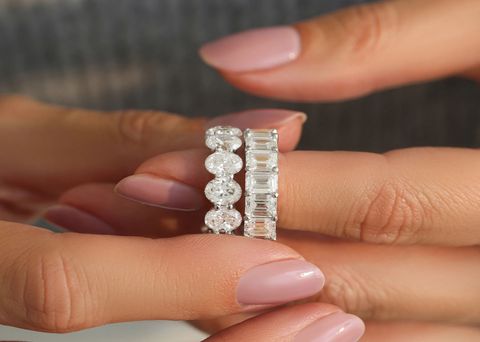
Emerald Cut
Rectangular shape with step-like facets.
Key features:
- Elegant and clean look
- Highlights clarity
- Less sparkle but more sophistication
Oval, Pear, and Marquise Cuts
These are elongated shapes that create a unique appearance.
Key features:
- Make fingers look longer
- Distinctive and stylish
- Ideal for statement jewelry
Understanding diamond cuts helps you choose the best type of diamond for engagement rings based on personal style.
Diamond Categories and Grading
Diamonds are graded based on the famous 4Cs: Cut, Color, Clarity, and Carat.
Cut
Determines how well the diamond reflects light.
- Excellent cut: Maximum brilliance
- Good cut: Balanced shine
- Fair cut: Less sparkle
Color
Diamonds are graded from D (colorless) to Z (light yellow).
- Colorless diamonds are more valuable
- Slight color can be hard to notice without comparison
Clarity
Refers to internal imperfections.
- Flawless: No visible inclusions
- Slight inclusions: Common and often invisible to the eye
Carat
Indicates weight, not size alone.
- Larger carat usually means higher value
- Balance with cut and clarity for better overall appearance
These diamond categories and grading factors directly affect how a diamond looks and performs over time.
Diamond Setting Types and Their Importance
The setting holds the diamond and enhances its beauty.
Prong Setting
The most common setting style.
Key features:
- Maximum light exposure
- Strong sparkle
- Ideal for solitaire rings
Bezel Setting
The diamond is surrounded by a metal rim.
Key features:
- Modern and secure
- Less prone to damage
- Sleek appearance
Halo Setting
A center diamond surrounded by smaller stones.
Key features:
- Creates a larger look
- Extra sparkle
- Popular in engagement rings
Pavé Setting
Small diamonds set closely together.
Key features:
- Continuous shine
- Elegant and detailed
- Works well in bands
Understanding types of engagement ring settings helps you match the diamond with the right design.
Types of Fake Diamonds and How to Identify Them
Not all stones that look like diamonds are real.
Cubic Zirconia
A common diamond alternative.
- Looks similar but less durable
- Heavier than diamonds
- Lacks natural brilliance
Moissanite
A popular alternative with strong sparkle.
- More fire than diamonds
- Durable and attractive
- Requires expert inspection to distinguish
Glass and Crystal
Low-quality imitations.
- Easily scratched
- Less sparkle
- Lightweight
Knowing types of fake diamonds helps avoid confusion and ensures confidence in your selection.
Best Diamond Types for Different Purposes
For Engagement Rings
- Round brilliant and princess cuts
- Type IIa diamonds for premium quality
- Halo or prong settings for extra shine
These combinations are considered the best type of diamond for engagement rings.
For Everyday Jewelry
- Type Ia diamonds
- Cushion or oval cuts
- Bezel or pavé settings
These provide durability and style for daily wear.
For Investment Perspective
- Type IIa and rare colored diamonds
- High clarity and excellent cut
- Certified stones with strong grading
These are often considered best diamonds for long term investment due to rarity and demand.
For Luxury Collections
- Fancy colored diamonds (blue, pink, yellow)
- Unique cuts and custom settings
- High-end grading reports
This aligns with premium diamond types for jewelry and luxury certified diamond selection guide trends.
Expert Advice for Choosing the Right Diamond
Choosing the right diamond doesn’t have to be complicated. Focus on a few key points.
Balance Quality Factors
Don’t focus only on size. A well-cut diamond with good clarity often looks better than a larger dull stone.
Match Style with Lifestyle
If the jewelry will be worn daily, go for durable settings and practical cuts.
Understand Certification
Always check grading details from trusted labs. This ensures transparency and accuracy.
Think Long-Term
Some diamonds hold value better over time. Purity, rarity, and demand all play a role.
Avoid Overcomplicating
You don’t need to understand every technical detail. Focus on what matters most to your personal preference.
Final Thoughts
Diamonds are more than just beautiful stones. Each type has its own story, structure, and purpose. From natural and lab-grown options to Type IIa purity and brilliant cuts, understanding these differences helps you make informed decisions.
Whether you’re exploring diamond types for engagement rings, long-term value, or luxury collections, the key is clarity, balance, and personal style.
When you truly understand kinds of diamonds and their characteristics, you don’t just choose a diamond—you choose something that reflects your taste, purpose, and vision.